
Arrse.co.uk
A performance, search and security overhaul on a long-established UK military community platform, delivered over three months from Q1 2024.

What this engagement was
An established community platform had accumulated three separate problems that compounded each other: page loads that had degraded with growth, search visibility that had not kept pace with the community's authority, and a security posture that had not been revisited as the platform's profile grew. The engagement addressed all three concurrently.
- Client
- Arrse.co.uk
- Sector
- Online community platform
- Location
- United Kingdom
- Engagement
- Performance, SEO & security project
- Period
- Q1 2024, 3 months
- Stack areas
- Front-end weight, on-page SEO, server config
What was going wrong
Performance, search visibility and security are usually treated as three separate workstreams, and on this platform that separation was part of the problem. Slow pages suppress both user engagement and crawl efficiency; a legacy front end makes both harder to fix; and each additional script used to add functionality makes the performance problem worse.
The platform serves a long-established, highly engaged niche community. It had grown organically over many years, which meant the front end carried accumulated decisions — scripts, image handling, markup — that were individually reasonable when added and collectively expensive.
What we established
The reported symptom is frequently two layers above the cause. These are the findings that shaped the work.
Page weight and render cost had accumulated
Unnecessary scripts and unoptimised images were the dominant cost. Both are typical of long-lived platforms: each addition is justified at the time, and the aggregate is never re-examined.
On-page structure did not reflect the content's value
Meta, headings and content structure had not kept up with the community's topical authority, so pages were not signalling what they were actually about as clearly as they could.
Mobile was disproportionately affected
Performance degradation on a slow connection is worse than the same degradation on a fast one, so a community with significant mobile traffic experiences the platform's accumulated weight more severely in exactly the context where patience is lowest.
Security posture had not scaled with profile
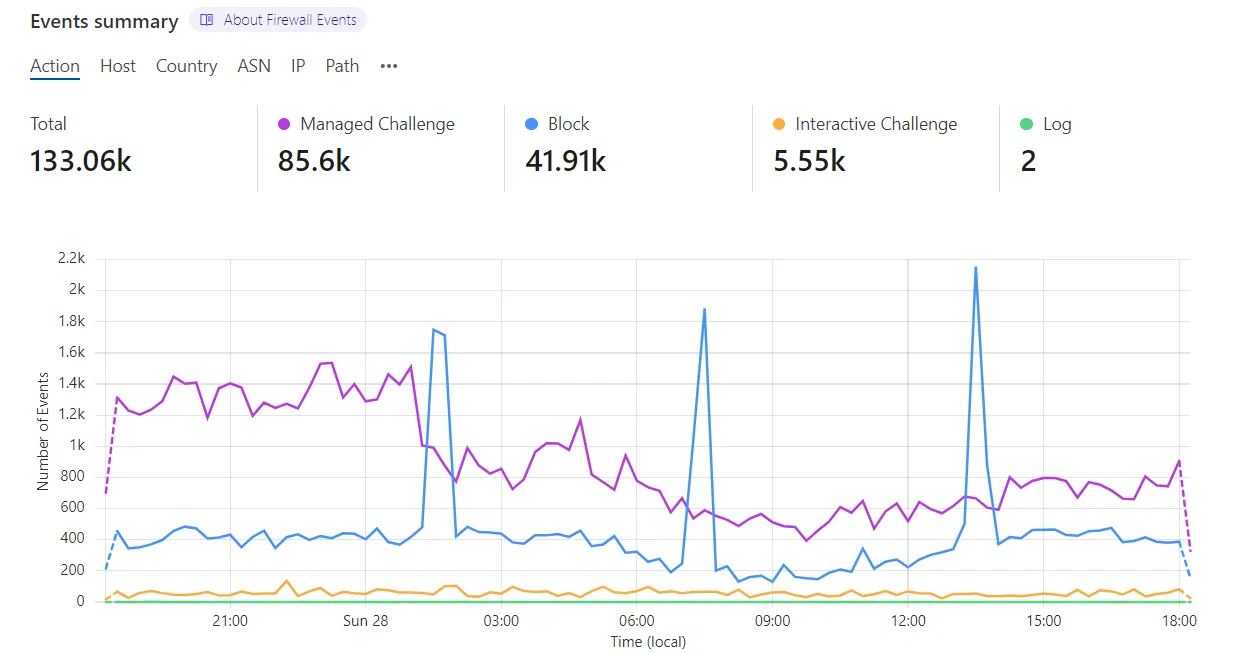
A community of this profile attracts sustained attention. The security work was about hardening an established platform rather than responding to a specific incident.
How we worked
Including the sequencing decisions, which are usually where the work succeeds or has to be repeated.
Reduce what the browser has to do
Script reduction and image and code optimisation were tackled together, because they share the same objective: less work before the user can interact. Tackling one without the other leaves the dominant cost in place.
Correct on-page structure across the estate
Meta tags, headings and content structure were aligned with the queries the community's content could realistically compete for, rather than assuming established authority would compensate for weak signalling.
Align content with genuine search demand
The keyword strategy was refined to the platform's actual topical strengths, which for a specialist community is a narrow and defensible set rather than a broad one.
Configure for peak availability
Server configuration was adjusted so the platform remains available during peaks, tying the reliability work back to the community's usage pattern.
What was built or changed
Scope of work, grouped by area.
Performance
- Reduced unnecessary scripts
- Page-speed optimisation across the estate
- Image compression and code optimisation
- Mobile responsiveness improvements
Search
- On-page SEO: meta tags, headings, content structure
- Keyword strategy refinement to high-value queries
Security and availability
- Security posture hardened for a high-profile community
- Server configuration tuned for peak traffic availability
What made it difficult
The technical and operational constraints that shaped the work.
Reducing scripts on a feature-rich community is a negotiation
Every script on a community platform usually exists because a feature depends on it. Removing weight means establishing what is genuinely unused rather than simply deleting, which requires tracing each dependency.
SEO work on an established platform has a long feedback loop
A platform with a decade of history does not re-rank quickly. The measurable movement over three months is a fraction of the eventual effect, which makes the work harder to justify internally than a new-site engagement.
What the work produced
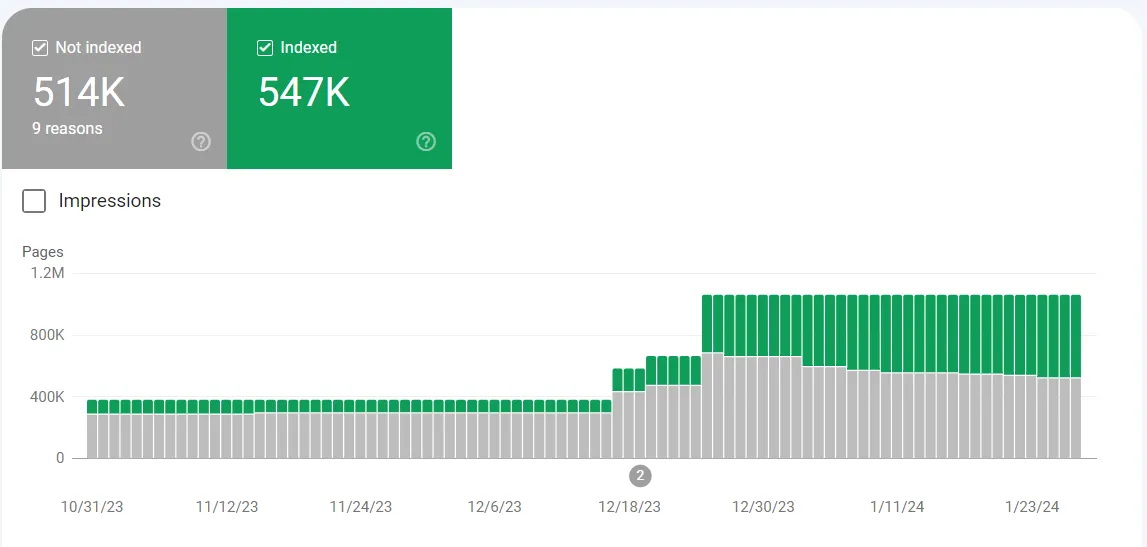
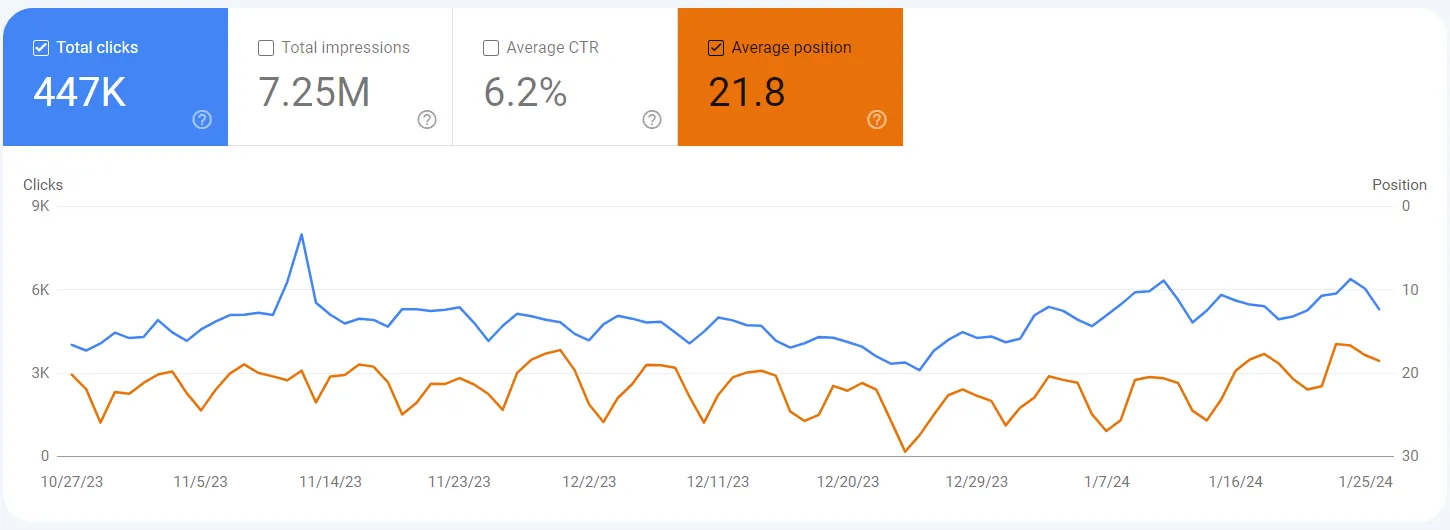
The three-month engagement delivered measurable improvement across all three workstreams. Organic clicks and search impressions both rose, page load times fell by forty percent, and the platform completed the period with no security incidents. The larger outcome is structural: the platform is faster on the connections its users actually have, and its on-page structure now reflects the topical authority the community had already earned.
Measured outcomes
Measured outcomes from the engagement.
The lasting difference
Durable structural change rather than a one-off improvement — which is what a client is actually buying.
- The front end carries materially less script, image weight and render cost, so the platform is faster on the mobile connections much of its audience uses.
- On-page structure — meta, headings and content organisation — now signals the platform's genuine topical authority.
- Server configuration is aligned with the community's peak usage pattern rather than its average.
- Security posture was revisited and hardened for a platform whose profile invites sustained attention.
Capabilities used and related work
Have a system with a similar problem?
Tell us what it is doing. The diagnosis is usually the part that has been missing.